
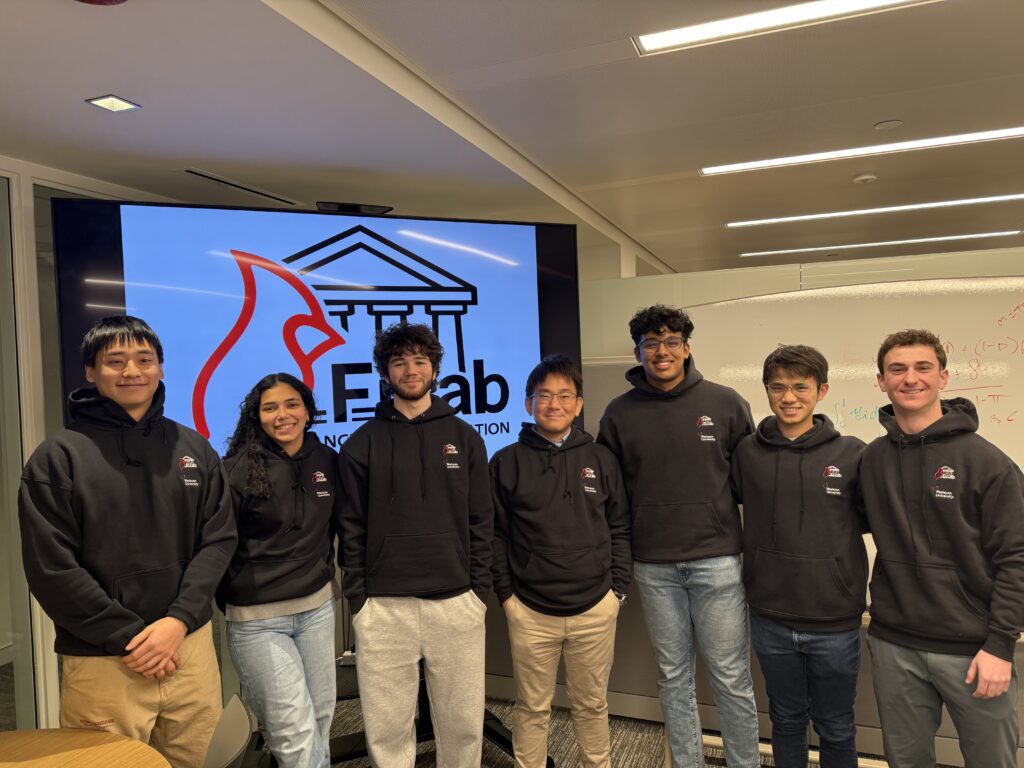
The FiLab is a research and teaching hub at Wesleyan dedicated to the study of money, banking, and payments in the era of digitization. Its primary goal is to advance research in these areas while creating structured opportunities for students to engage in research training and advising. Through faculty-led projects, student research assistantships, and collaborative seminars, the Lab fosters a vibrant community that explores both the foundations of banking and the challenges posed by digital transformation, financial stability, and emerging technologies such as decentralized finance (DeFi).
The digital transformation of the financial system has reshaped the landscape of monetary economics. From real-time payment platforms and mobile wallets to the unprecedented speed of deposit withdrawals during the 2023 banking turmoil, these developments highlight both the innovation and fragility of modern monetary infrastructure. Blockchain technology has also given rise to DeFi, which has the potential to transform how financial services are structured and delivered. These shifts challenge long-standing assumptions about money and banking, and the FiLab provides a dedicated space for exploring these questions at Wesleyan.
Recent News
- April 29: FiLab students presented their theses at the thesis poster session. [Report]
- April 27: FiLab hosted a public campus event, “Introduction to Stablecoins.” [Report]
- April 21: FiLab attended a guest lecture by a Fed economist and discussed research projects.
- April 16: Three FiLab students successfully submitted their honors theses!
- March 19: Kaustubh Vasudevan’s senior thesis, “Designing Stability in Digital Money,” was highlighted in a recent blog post by President Michael Roth.
- March 9: FiLab was recently featured in The Wesleyan Connection
- March 7-8: Wesley Tan and Kevin He presented their research at the AALAC Workshop on Monetary Economics in the Digital Era at Grinnell College. [Report]
- February 19: FiLab held a lunch session at QAC on empirical research on bank runs, with discussion of methods, ideas, and possible research directions. Tyler Asher, Anthony Ganci, and Kaustubh Vasudevan presented. [Report]